Comparing Natural Stone and Engineered Quartz for Kitchen Remodeling
The countertop choice ends up being one of those renovation decisions that affects every other choice in the kitchen. Cabinet color is chosen partly to coordinate with the counter. Backsplash material is deliberately selected to match or contrast with it. Even lighting choices shift depending on what the counter surface looks like under different conditions in the room. So the natural stone versus engineered quartz question is genuinely worth thinking through carefully, rather than just defaulting to whatever happens to be on display at the showroom this particular season.
In modern kitchens, both options are pretty common, and both have strong defenders. Granite, marble, quartzite, and soapstone all fall on the natural stone side. Engineered quartz comes from brands like Caesarstone, Silestone, and Cambria on the manufactured side. A firm offering kitchen remodeling in Sterling walks homeowners through these comparisons honestly, because the actual right choice depends on how the household uses the kitchen, not on which material happens to be more fashionable at the moment.
What this post breaks down is the real differences between natural stone and engineered quartz, where each makes sense, and what the trade-offs really look like in practice. If bathroom remodeling is part of the same renovation project, the comparison carries over there, too, since vanity tops face similar wear-and-tear issues.
What Each One Actually Is
What natural stone actually is is exactly what it sounds like. Granite, marble, quartzite, and soapstone are all quarried from the earth as large slabs, cut to size, polished, and installed. Each slab is one of a kind because nature is what made it that way. The veining, the color variation, the overall pattern, all of that depends on what was happening geologically during the millions of years the stone was forming.
Manufactured is what engineered quartz actually is. Crushed natural quartz, accounting for around 90 percent of the final material, is bound together with resin and pigments under heat and pressure. The result ends up looking like stone but remains consistent from slab to slab, since the manufacturer controls the inputs. Two slabs of the same quartz pattern will look basically identical, which is the total opposite of how natural stone behaves.
Appearance and Variation
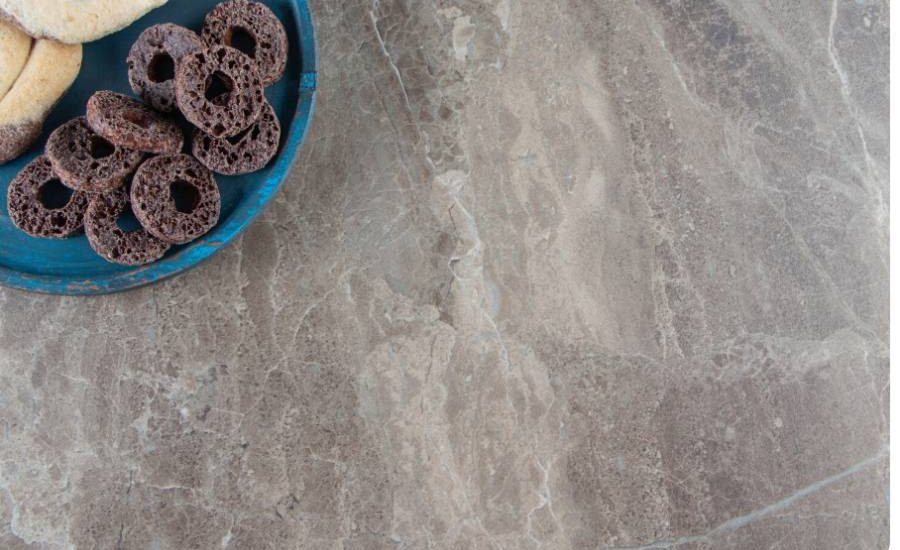
Visual depth and character that engineered materials still can’t fully replicate is what natural stone has going for it. Each slab is genuinely one of a kind. Veining runs in totally unpredictable patterns. Color shifts occur across the slab in ways no manufacturing process can produce. People who specifically want a kitchen that looks unique and natural tend to lean toward stone for exactly this reason.
What engineered quartz has gotten better at over the last decade is mimicking natural stone. Some of the high-end patterns are genuinely hard to tell apart from real marble or granite without a close inspection. But the same consistency that makes quartz predictable also makes it visually flatter overall. The character is intentional rather than geological, which some homeowners love, and others find slightly artificial.
Durability Comparison
Both granite and quartzite are extremely durable. Both stand up to heat, knives, and daily use without much fuss involved. Marble is the softer option and more prone to scratching and etching, which is why marble kitchen counters genuinely polarize people. Some homeowners love how marble ages, developing character. Others hate every single mark.
Harder than most natural stones on the Mohs scale, engineered quartz is, but the resin binder inside it is sensitive to high heat. A pan straight off the burner can damage quartz in ways it just wouldn’t damage granite. Trivets and pads become genuinely necessary rather than just polite gestures. Other than that heat issue, quartz handles daily abuse really well.
Porosity and Sealing
This is the area where the materials diverge significantly. Porous to varying degrees is what natural stone is. Granite wants sealing every year or two, depending on use. Marble needs to be sealed more frequently and remains vulnerable to staining and etching from acidic liquids like wine, lemon juice, and tomato sauce. Soapstone doesn’t stain but oxidizes and darkens with use over time.
Non-porous is what engineered quartz is because of the resin matrix that holds it together. No sealing ever, period. Spills wipe up without staining the surface beneath. Bacteria can’t grow inside pores because there genuinely aren’t any. For households with maintenance or food safety concerns, the non-porous nature of quartz is genuinely meaningful.
Heat Resistance
Direct heat from hot pans without damage is what granite and quartzite both handle. Putting a hot pan straight onto the counter is honestly fine. Marble is similar, but it can develop thermal stress over time with repeated heat shock. Soapstone is actually used for fireplace surrounds because it withstands heat exceptionally well.
Around 300 degrees Fahrenheit is where engineered quartz tops out. The resin binder discolors or melts at temperatures above that. Pans that come straight off a burner usually run above this, which is why quartz manufacturers explicitly require trivets and warn against direct heat contact. People who cook seriously and reach for the counter as a landing zone for hot pans need to think about this stuff honestly upfront.
Long-Term Value
Decades is how long both materials last when properly installed and maintained. The choice often comes down to lifestyle preferences rather than longevity in the end. People who want a kitchen that looks unique and have time for occasional maintenance tend to lean toward natural stone. People who want low-maintenance consistency and don’t care much about uniqueness tend to lean toward quartz instead.
Booking a consult with a team that walks through the real tradeoffs honestly rather than pushing whatever has the highest margin, like WellCraft Kitchen and Bath, is how you end up with the counter material that actually fits your life, rather than whatever the showroom happened to have on display the day you walked in.
Featured Image Source: https://www.magnific.com/free-photo/cookies-corn-rings-wooden-plate-marble_16179862.htm#fromView=search&page=1&position=31&uuid=52b2f4d9-61d2-456c-afd1-5b1fd5c48a5b&query=natural+stone+for+kitchen
