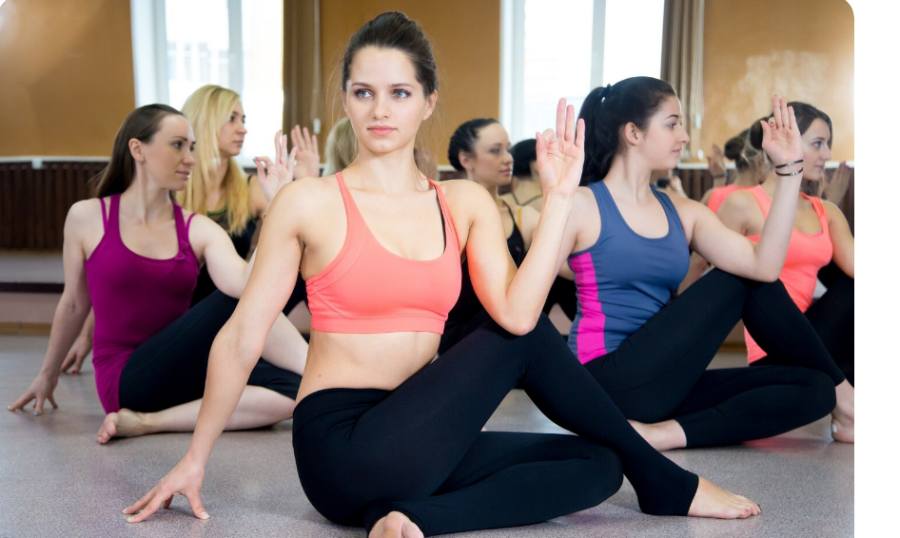
Understanding Different Styles of Professional Yoga in Pacific Beach
Walk into any PB studio and check the schedule on the wall, and you’re probably looking at five or six different style names such as vinyasa, hatha, yin, power, restorative. Throw in Ashtanga if it’s a more traditional spot. Most newcomers show up to a first class with zero clue what actually separates one of these from another, which is fine. Still, it usually means people end up booking based on what time works rather than what their body needs that particular day.
These styles are properly different from each other, not in branding. The pace is different. Hold times are different. The room temperature can vary. What the whole thing is doing to the body and the nervous system shifts pretty meaningfully depending on which one you walked into. Yoga in Pacific Beach keeps multiple styles on the schedule on purpose because bodies need different things on different days, and a spot that only offers a single format can’t really cover it all.
So this post unpacks what each style actually involves and when it tends to fit. If you’ve been searching for yoga near me, trying to figure out where to even begin with all this, Tranquil Tree Yoga in Pacific Beach runs a spread of styles in a small group setup, which means you can try a few and figure out what your body actually responds to without disappearing into a packed room of 40 people you don’t know.
Vinyasa Flow
Vinyasa is probably what most people stumble into for their first class. The word itself translates to “breath-linked movement.” So one pose goes into the next, and your breath is the thing that cues you to move. Inhale and lengthen. Exhale and fold or twist. The whole class has this continuous moving quality through most of it.
If you tend to get bored or restless in slow classes, vinyasa is probably your thing. Body stays warm, brain stays busy. Heads up, though, vinyasa teachers vary wildly in how they pace their flows. Some go hard and athletic, others go slower and more measured. Always worth asking how the specific teacher tends to run things before you book in.
Hatha
Hatha is technically the umbrella term for all physical yoga, but on most class schedules, it ends up meaning a slower-paced class with longer holds in each shape. Less of that continuous flow thing you’ll find in vinyasa. You actually have time to drop into the pose and notice what your body is doing inside it.
For anyone newer to all this, hatha works really well because the slower pace gives your brain enough time to figure out where your limbs are supposed to be without scrambling. Even experienced practitioners often return to hatha when they want to skip the cardio side and dig into the actual layers of the poses.
Power Yoga
Power yoga is more or less an athletic version of vinyasa. Often heated and usually faster. Strength building and conditioning get more attention than they would in regular vinyasa. You’ll see more chaturangas, more standing-balance work, and longer holds in stuff that genuinely challenges you.
This is the format people go for when they want yoga to double as a workout, which is fair, but worth knowing that the cardiovascular intensity also keeps your sympathetic nervous system pretty cranked up. Power yoga isn’t actually the right pick on days when you’re already running on fumes, even though those are usually the days people instinctively reach for it.
Yin Yoga
Yin lives at the opposite end of the whole spectrum from power. Long-held passive shapes, somewhere in the three to five-minute range, sometimes longer than that. The whole point is to reach the deep connective tissue, fascia, and joint capsules rather than just the muscles. You have to actually let go into the shape for any of it to work, which is way harder for most people than it sounds at first.
By design, yin is a meditation practice as much as a body practice. There isn’t much movement happening once you’re in a pose. Just breath, stillness, and tissue that’s been holding on for who even knows how long, finally letting go. Solid counterbalance if everything else in your life or training is already cranked toward intense.
Restorative
People mix up restorative with yin sometimes, but they’re actually pretty different beasts. Restorative leans heavily on props, like really leans, so the body ends up fully supported in passive shapes. Bolsters under the knees, blankets, blocks, sometimes weighted sandbags. The goal isn’t to feel a stretch in anything. It’s to drop into rest while staying completely held up.
People show up to restorative when they’re wiped out. New parents. Post-illness recovery. Burnt out from months of chronic stress. Restorative isn’t really doing any work in the traditional sense. The whole point is handing the nervous system an uninterrupted hour to do absolutely nothing and let the parasympathetic side actually wake up.
Ashtanga
Ashtanga comes from a traditional lineage and follows a fixed pose sequence in the same order every single time. The primary series is the version most studios offer. Same poses, same order, same breath count every class. The repetition itself is the practice.
Over time, Ashtanga builds real strength and serious stamina. It also tends to attract people who want something disciplined and predictable, rather than a practice that reinvents itself every week. The fixed sequence is either liberating or claustrophobic depending on who you are. It is worth doing once, even if you suspect it is not for you, because the traditional structure has something in it.
Hot Yoga
Hot yoga is a catch-all term that means different things at different studios. Some spots run regular vinyasa in a heated room. Others follow a specific sequence, like Bikram, which is 26 poses done in 105-degree heat. Some run power yoga, heated up. What ties it all together is the heat itself, generally between 85 and 105 degrees.
Heat changes everything about the practice. Muscles let go more quickly, sure, but the cardiovascular cost goes way up, too. People sweat a lot more. Hydration becomes a bigger deal before and after. Hot yoga isn’t automatically better than non-heated, despite some of the marketing studios run. It’s just a different thing, right for some bodies and wrong for plenty of others.
Pilates and Hybrid Formats
A bunch of studios have started running pilates alongside their yoga schedules now, sometimes as its own thing and sometimes folded into yoga-style classes. Pilates places a heavy emphasis on the core and small, controlled movements, which actually pairs really nicely with yoga. Hot mat pilates is one of the popular hybrids, layering the heat element on top of pilates principles.
These hybrid formats are a good fit for people who want strength and conditioning alongside their mobility work. The overlap between Pilates and yoga is bigger than most people assume, and plenty of practitioners eventually practice both regularly because each one reaches things the other doesn’t quite get to.
Sound Healing Sessions
Sound work has been appearing in more yoga classes recently, mainly in yin and restorative formats. Crystal bowls, gongs, and occasionally voice work too. The sound is essentially doing parasympathetic activation alongside whatever the body practice is doing on top of it. Stacked effect.
Some studios run dedicated sound healing sessions outside the regular yoga schedule. Others mix the sound piece into existing classes. Worth doing at least once if you’ve never sat with it. The shift in nervous system state from sound on its own is surprisingly noticeable for something that essentially asks you to lie down and listen.
Picking the Right Style for Your Day
Here’s the shortcut nobody really tells beginners. The right style isn’t about which one sounds cool in theory; it’s about what your body actually needs that day. Cranked up with nervous energy you can’t burn off, vinyasa or power flow can help drain some of it. Already running on empty, restorative or a gentle hatha is going to serve you better than gritting through power flow.
Most practitioners eventually drift into rotating across a few different styles. Power flow on high-energy days. Yin or restorative when the tank is empty. Hatha for everything in between. Developing this kind of awareness of what your body is asking for and on which day is honestly part of what makes long-term practice actually sustainable instead of just turning into another thing you’re forcing yourself through.
Worth playing around across the formats early in your practice rather than locking yourself into a single style and assuming that’s what yoga is forever.
Featured Image Source: https://www.magnific.com/free-photo/group-yogi-females-ardha-matsyendrasana-pose_1282504.htm#fromView=search&page=1&position=2&uuid=3e740edd-2b0d-4fff-9bc2-19966f322d50&query=different+styles+of+rofessional+yoga
