From Fit to Function: Key Factors to Consider When Buying Sports Shoes
Choosing the right pair of sports shoes can make all the difference in your athletic performance and overall comfort. Whether you’re a seasoned athlete or just starting out, understanding the key factors in selecting sports shoes is crucial. This guide will walk you through essential considerations to help you find the perfect pair that enhances your performance and keeps you comfortable.
1. Understand Your Foot Type
The foundation of a good shoe starts with understanding your foot type. Feet comes in various shapes and arches, which play a significant role in determining the best shoe for you. Here’s how you can determine your foot type:
- Flat Feet: If your feet don’t have much of an arch and they tend to roll inward (overpronation), you’ll need a shoe with extra support and stability.
- High Arches: If you have a pronounced arch and your feet tend to roll outward (underpronation), you’ll benefit from cushioning and flexibility to absorb shock.
- Neutral Arches: If your feet have a moderate arch and you don’t have extreme over- or underpronation, a neutral shoe with balanced cushioning should work well.
To determine your arch type, you can do a simple “wet foot test” by wetting the sole of your foot and stepping onto a piece of paper or a flat surface. The imprint will give you a clue about your arch type.
2. Choose the Right Shoe for Your Activity
Different sports and activities require different types of shoes. Here’s a breakdown of some common activities and the types of shoes that are best suited for them:
- Running: Running shoes are designed with cushioning and support tailored to handle repetitive impact. There are various types, including stability shoes for overpronators and cushioned shoes for underpronators.
- Training: For gym workouts and cross-training, look for shoes that offer stability and support for lateral movements. They often have a flatter sole and are designed to handle a variety of exercises.
- Hiking: Hiking shoes need to provide ample support, traction, and durability for uneven terrain. Look for features like waterproofing, rugged outsoles, and ankle support.
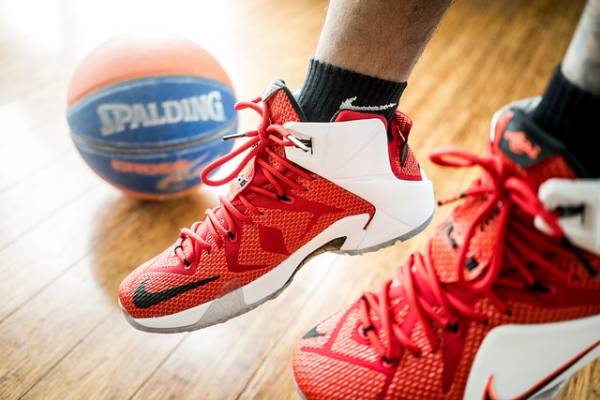
- Basketball: Basketball shoes offer ankle support and cushioning to handle the high-impact nature of the sport. They also provide a good grip for quick lateral movements.
Each sport has its own set of demands, so choosing a shoe specifically designed for that activity is essential to prevent injury and improve performance.
3. Consider the Fit and Comfort
A well-fitting shoe is crucial for both comfort and performance. Here’s what to look for when evaluating the fit of sports shoes:
- Length: Ensure there is about a thumb’s width of space between your longest toe and the end of the shoe. This prevents your toes from hitting the front of the shoe, which can lead to discomfort or injury.
- Width: The shoe should fit snugly around the widest part of your foot without being too tight. Most brands offer different width options, so choose accordingly.
- Heel Fit: Your heel should fit securely in the shoe without slipping or rubbing. A secure heel fit helps prevent blisters and other foot problems.
- Arch Support: The shoe’s arch support should align with your foot’s natural arch. If it doesn’t, you might need to consider custom insoles or a different shoe.
Try on shoes at the end of the day when your feet are more swollen to get the best fit. Walk around and test them out to ensure they’re comfortable and supportive.
4. Evaluate Shoe Construction and Materials
The materials and construction of a sports shoe impact its durability, comfort, and performance. Here are some key components to consider:
- Upper Material: The upper part of the shoe can be made from materials like mesh, synthetic leather, or knit fabric. Mesh offers breathability, while synthetic leather is more durable and supportive. Choose based on your activity and personal preference.
- Midsole: This is the layer between the upper and outsole that provides cushioning and support. Common materials include EVA (Ethylene Vinyl Acetate) and PU (Polyurethane). EVA is lightweight and cushioned, while PU is more durable.
- Outsole: The outsole provides traction and stability. Rubber outsoles are common and offer good grip, while specialized outsoles might be designed for specific terrains or surfaces.
- Insole: The insole provides additional cushioning and support. Some shoes come with removable insoles, allowing you to replace them with custom orthotics if needed.
Quality materials and construction contribute to the shoe’s overall performance and longevity, so consider these aspects carefully.
5. Check for Brand and Price Considerations
While brand reputation and price shouldn’t be the sole factors in choosing sports shoes, they do play a role. Established brands often invest in research and development to produce high-quality, performance-oriented footwear. However, this doesn’t mean you should always opt for the most expensive option. Sometimes, less expensive brands offer excellent value for money.
Look for reviews and ratings of specific models to get an idea of their performance and durability. Additionally, consider if the brand offers a satisfaction guarantee or return policy, which can be helpful if the shoes don’t meet your expectations.
Featured Image Source: https://cdn.pixabay.com/photo/2015/10/29/01/24/shoes-1011596_640.jpg
