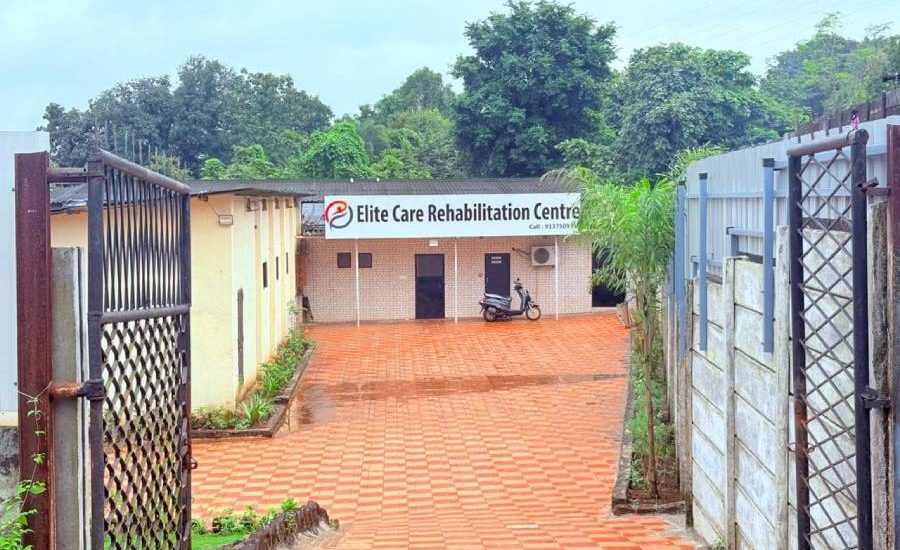
What Should You Expect During Detox at a Drug Detox Centre in Thane District?
Understanding the First Step Toward Recovery
Taking that first step toward overcoming addiction is genuinely hard. Most people put it off — not because they do not want to get better, but because they are afraid of what detox might feel like. The fear of withdrawal, the uncertainty of what happens inside a facility, the worry about how long it will take. These are real concerns, and they deserve honest answers.
Drug detox is the process of clearing harmful substances from the body under medical supervision. It is not a punishment or a cure on its own. It is the foundation — the necessary first stage before any real rehabilitation can happen. Families researching a drug detox centre in Thane District often find that understanding the process in advance removes a lot of the fear attached to it.
The detox process is not comfortable for everyone. But it is far safer when handled professionally. Attempting to quit substances alone, at home, without monitoring — that carries genuine risk. Seizures, dehydration, cardiac complications. These are not worst-case scenarios. They are documented outcomes of unsupervised withdrawal. Professional centres exist precisely because the body needs support during this phase.
Initial Assessment and Personalised Detox Plan
When someone arrives at a detox centre, the first thing that happens is an assessment. A proper one. Not a quick checklist, but a thorough medical and psychological evaluation that looks at the full picture.
This includes:
- Type of substance or substances being used
- Duration and frequency of use
- Physical health status, including any pre-existing conditions
- Mental health history — anxiety, depression, trauma
- Previous detox attempts, if any
Why does all this matter? Because no two detox cases are the same. Someone withdrawing from alcohol has a very different experience than someone coming off opioids or benzodiazepines. A plan built around a general template is not going to serve anyone well.
Based on the assessment, the clinical team creates a personalised detox plan. This outlines the expected timeline, which medications may be used, what monitoring is required, and what emotional support will be in place. Most detox programmes last anywhere from three to ten days, though this varies. Longer substance use histories or polydrug use can extend that timeline.
Patients and their families are usually walked through this plan before it begins. That transparency matters — knowing what to expect, day by day, makes the process feel less unknown and less frightening.
Managing Withdrawal Symptoms Safely
Withdrawal is probably what most people fear most about detox. And perhaps that fear is not entirely unreasonable. Withdrawal symptoms can be deeply unpleasant. But the difference between going through it alone and going through it with medical support — that difference is significant.
Common withdrawal symptoms include:
- Nausea, vomiting, and stomach cramps
- Sweating, chills, and tremors
- Intense cravings for the substance
- Anxiety, restlessness, and sleep disturbances
- In more serious cases — seizures or delirium (particularly with alcohol)
Around-the-clock monitoring means that if symptoms escalate, the team responds immediately. Medications are available to reduce discomfort and prevent dangerous complications. For opioid withdrawal, drugs like buprenorphine or methadone may be used to ease the transition. For alcohol dependence, benzodiazepines are sometimes prescribed to prevent seizures. These are not handed out casually — they are part of a structured clinical protocol.
Emotional support runs alongside the medical side. The psychological experience of detox is often overlooked in conversations about the process. Mood swings, irritability, despair — these are normal responses when the brain is adjusting to functioning without a substance it has come to depend on. Having a counsellor or support worker available during this phase is not a luxury. It is part of what keeps people from walking out before the process is complete.
Supportive Therapies During the Detox Process
Detox is not just about physically clearing the substance. The body needs nutritional support, rest, and in many cases, light therapeutic engagement to stay grounded during a disorienting process.
Nutritional guidance plays a bigger role than people expect. Prolonged substance use depletes the body of essential vitamins and minerals. A structured nutrition plan helps restore energy levels and supports organ function. This is especially relevant in alcohol dependency, where thiamine deficiency is a serious concern.
Counselling — even brief, daily check-ins — helps patients process what they are experiencing emotionally. Detox can surface old feelings: guilt, shame, grief. Having a professional available to hold that space, without judgement, makes a real difference to whether someone stays committed or begins to disconnect.
Relaxation techniques such as guided breathing, light stretching, or short mindfulness sessions are sometimes introduced during detox. Not every facility incorporates these, and not every patient is receptive to them at this stage. But for those who are, they offer a way to regulate the nervous system during a period when it is under significant stress.
Motivation can waver during detox. The physical discomfort, combined with the emotional weight of confronting addiction, creates a window where many people want to leave. Supportive therapy during this phase is partly about keeping that window from opening too wide.
What Happens After Detox? The Next Steps in Recovery
Detox clears the substance from the body. That is genuinely important. But it does not address the reasons why the substance became a problem in the first place. Without follow-up treatment, the risk of returning to use is high — not because of weakness, but because the underlying patterns have not changed.
After completing detox, most individuals transition into one of the following:
- Inpatient rehabilitation — structured residential treatment with therapy, group sessions, and round-the-clock support
- Outpatient therapy — regular counselling sessions while living at home, suitable for those with a stable environment and milder dependency
- Behavioural therapy — cognitive behavioural therapy (CBT) or dialectical behaviour therapy (DBT) to address thought patterns linked to substance use
Relapse prevention planning begins during rehabilitation, not after. Learning to identify triggers, building coping strategies, and establishing a support network — these are the components of long-term recovery.
If you or someone close to you is weighing up whether to seek help, it is worth speaking with a professional before making that decision alone. A qualified detox centre can help assess what level of care is appropriate and what the journey might realistically look like.
Conclusion
Detox is not the whole of recovery. But without it, recovery cannot begin. It is a medically supervised process designed to safely remove substances from the body while keeping the individual as physically stable and emotionally supported as possible.
The process is not easy. There is no version of this that is entirely without discomfort. But professional care makes it safer, more manageable, and more likely to lead somewhere meaningful. The goal of a detox centre is not just to get through those first few days — it is to set the foundation for everything that follows.
FAQs
How long does drug detox usually take?
Detox typically lasts between 3 and 10 days, depending on the substance used and the individual’s overall health. In some cases — particularly with long-term alcohol or benzodiazepine dependence — it may take longer.
Is detox painful?
Withdrawal symptoms can be uncomfortable, and some people find them quite distressing. Medical supervision and prescribed medications help manage symptoms and reduce physical risks throughout the process.
Can someone detox at home?
Home detox is not recommended for most substances, particularly alcohol, opioids, and benzodiazepines. Without monitoring, withdrawal can become medically dangerous. Professional facilities provide the clinical oversight that home settings cannot.
What substances require detox treatment?
Detox is commonly required for alcohol, opioids, benzodiazepines, and certain prescription medications. Stimulant withdrawal is generally less medically acute but may still benefit from supervised support due to psychological symptoms.
What happens if detox is not followed by rehab?
Without continued treatment, the likelihood of returning to substance use is significantly higher. Detox addresses physical dependence — rehabilitation addresses the behavioural, psychological, and social factors that sustain addiction.
