What Are the Key Regulatory Requirements for Medicine Manufacturing Companies?
A single compliance gap can halt production for weeks. Or worse, it can block your entry into profitable international markets. Regulatory requirements for medicine manufacturing exist to protect patients from contaminated products, mislabeled doses, and ineffective treatments. Every country with a pharmaceutical market has rules, but the big players—the US FDA, European Medicines Agency, WHO, and national drug authorities—set standards that most manufacturers follow regardless of their location. Understanding these requirements isn’t optional if you plan to manufacture medicines at commercial scale. This post breaks down the five regulatory pillars that determine whether your facility earns approvals or faces shutdowns: GMP compliance, licensing requirements, quality standards, documentation protocols, and inspection readiness.
Good Manufacturing Practices (GMP) Compliance
GMP isn’t a suggestion. It’s the foundation of pharmaceutical manufacturing, covering everything from how you design your facility to how you clean equipment between batches. The purpose is straightforward: ensure every medicine produced meets predetermined quality standards. Batch number 1 should be identical to batch number 10,000 in terms of potency, purity, and safety.
Facility design matters more than many manufacturers initially realise. Air handling systems need to prevent cross-contamination between production areas. Walls and floors require materials that withstand repeated cleaning with harsh disinfectants. Water systems must deliver pharmaceutical-grade water free from microbiological contamination. Production areas need clearly defined workflows that prevent raw materials from crossing paths with finished products.
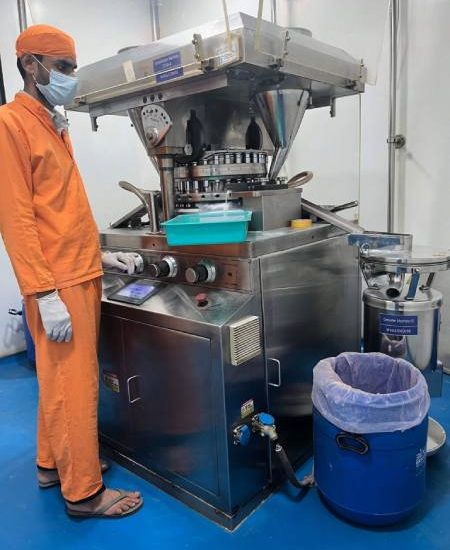
Equipment validation proves that your machinery performs consistently. Installing a tablet press isn’t enough. You need documented evidence that it produces tablets within weight specifications across thousands of cycles. Mixing vessels require validation showing they achieve uniform distribution of active ingredients. Even something as simple as a refrigerator storing temperature-sensitive materials needs validation proving it maintains the correct temperature range under various conditions.
Hygiene practices extend beyond basic cleanliness. Gowning procedures dictate exactly how operators dress before entering production areas. Cleaning validation demonstrates that your sanitation procedures remove residues from previous batches. Environmental monitoring tracks airborne particles, surface contamination, and microbial counts in production spaces. Perhaps the most challenging aspect is maintaining these standards when production pressures mount and deadlines loom.
Process consistency separates compliant manufacturers from those facing regulatory action. Your standard operating procedures must describe every step with enough detail that different operators produce identical results. Deviations from these procedures trigger investigation protocols, even when the final product meets specifications. Change control systems ensure that no process modification happens without proper evaluation and approval from quality departments.
The documentation burden of GMP compliance can overwhelm new manufacturers. Batch manufacturing records capture every action during production. Equipment logs track usage, cleaning, and maintenance. Training records prove that operators understand procedures before they perform them. This paperwork serves a purpose: creating traceability that allows investigation when problems emerge.
Licensing, Registrations, and Regulatory Approvals
Starting a medicine manufacturing company requires multiple licenses before producing your first commercial batch. Manufacturing licenses verify that your facility meets minimum standards for pharmaceutical production. These aren’t automatic approvals. Regulators inspect your premises, review your quality systems, and evaluate your staff qualifications before issuing licenses.
Product registrations represent a separate approval process. Your manufacturing license allows you to operate a facility, but you cannot sell a specific medicine without product registration from each country’s drug authority. Registration applications require extensive documentation: formulation details, manufacturing process descriptions, stability data, analytical methods, and clinical evidence supporting the medicine’s safety and efficacy.
Timeline expectations for approvals vary dramatically by region. Some countries process manufacturing license applications in months. Others take years. Product registrations follow similar patterns, with priority review pathways for medicines addressing unmet medical needs and standard timelines for generic products entering crowded markets. Planning your market entry strategy requires understanding these timelines and their financial implications.
Renewals and variations add ongoing complexity to regulatory compliance. Manufacturing licenses expire and require renewal applications demonstrating continued compliance. Product registrations need updates when you change manufacturing sites, modify formulations, or extend shelf life based on new stability data. Each variation triggers a regulatory submission, and some changes require pre-approval before you can implement them.
Different regions impose different requirements. The US FDA demands different documentation formats than European regulators. Asian markets have their own expectations around labeling, testing, and quality standards. Manufacturers targeting global markets must navigate these differences, often maintaining separate registration files tailored to each authority’s preferences.
Quality Control, Quality Assurance, and Testing Standards
Raw material testing starts the quality process. Active pharmaceutical ingredients arrive with certificates of analysis from suppliers, but relying solely on supplier testing is risky. Your quality control laboratory needs to verify that incoming materials meet specifications before releasing them for production. Excipients require similar testing, even seemingly inert ingredients like starches or cellulose.
In-process testing catches problems during manufacturing before you invest resources completing the batch. Weight checks on tablets identify equipment drift early. Potency testing on granules ensures uniform distribution of active ingredients. Dissolution testing on coated tablets verifies that the coating process hasn’t impaired drug release. These intermediate checks allow corrections before problems become costly failures.
Finished product testing represents the final quality checkpoint before release for sale. Every batch undergoes testing for identity, strength, purity, and quality. Microbiological testing ensures products remain free from harmful bacteria or fungi. Physical testing verifies attributes like tablet hardness, capsule disintegration time, or suspension uniformity. Only after the quality assurance department reviews all test results and confirms compliance can the batch ship to customers.
Stability studies extend over months or years, tracking how products change under various storage conditions. Real-time stability testing at recommended storage temperatures provides the primary data supporting shelf life claims. Accelerated stability testing at elevated temperatures helps predict long-term stability patterns. These studies require dedicated resources and patience, but regulators won’t approve products without proper stability documentation.
The difference between quality control and quality assurance confuses many people new to pharmaceutical manufacturing. Quality control involves the testing and inspection activities that measure product quality. Quality assurance encompasses the broader systems ensuring quality throughout the manufacturing process: procedure development, training programmes, change control, deviation investigations, and management review. Both functions are essential, and neither can substitute for the other.
Documentation, Data Integrity, and Traceability
Batch manufacturing records document everything that happened during production of a specific batch. Equipment used. Operators involved. Materials dispensed. Processing times and temperatures. In-process test results. Deviations encountered and how they were resolved. These records create a complete history allowing reconstruction of the manufacturing process months or years later if questions arise.
Standard operating procedures serve as the master instructions for all activities in a pharmaceutical facility. Detailed SOPs cover equipment operation, cleaning procedures, analytical testing methods, document control, deviation handling, and complaint investigation. Writing effective SOPs requires balancing sufficient detail to ensure consistency with enough flexibility to accommodate normal operational variations.
Audit trails become critical when using electronic systems for quality data. Every entry, modification, and deletion needs recording with user identification and timestamps. Access controls prevent unauthorised personnel from modifying critical data. Electronic signatures replace handwritten ones, but require validation proving they’re at least as secure as traditional signatures.
ALCOA+ principles define expectations for data integrity in pharmaceutical manufacturing. Attributable means knowing who performed each action. Legible ensures records remain readable throughout their retention period. Contemporaneous requires recording data when the activity occurs, not hours later. Original means preserving the first record of the data. Accurate demands data reflects what actually happened. The “plus” adds Complete, Consistent, Enduring, and Available, extending the basic ALCOA framework.
Traceability links raw materials to finished products and ultimately to patients receiving the medicine. If a quality issue emerges, manufacturers need the ability to identify all affected batches rapidly. This requires systems connecting procurement records, batch manufacturing documentation, quality control results, and distribution data. The ability to execute a targeted recall can literally save lives when problems surface.
Regulatory Inspections, Audits, and Ongoing Compliance
Routine inspections from regulatory authorities happen without much warning. The FDA can appear at your facility unannounced. European inspectors typically provide some notice but still maintain element of surprise regarding their specific focus areas. These inspections examine your entire operation: facilities, equipment, procedures, records, and staff knowledge.
Inspection observations come in various severity levels. Minor observations might note procedural improvements without questioning overall compliance. Major observations identify significant gaps requiring prompt correction. Warning letters and import alerts represent serious regulatory action that can devastate your business. The difference between minor and major findings often comes down to how well you’ve documented your activities and demonstrated consistent adherence to procedures.
CAPA stands for Corrective Action and Preventive Action, representing your response system when problems emerge. Corrective actions address immediate issues: investigating failures, determining root causes, and implementing fixes. Preventive actions go further, identifying potential problems before they occur and modifying systems to prevent recurrence. Regulators evaluate your CAPA system quality as evidence of your commitment to continuous improvement.
Product recalls represent the nightmare scenario for any medicine manufacturing company. Regulatory authorities can mandate recalls when products pose safety risks or fail to meet specifications. The recall process requires identifying affected batches, notifying customers and regulators, retrieving distributed products, and investigating root causes. Companies with strong quality systems often detect issues internally and initiate voluntary recalls before regulators become involved, which generally results in better outcomes.
Continuous compliance means maintaining readiness for inspection at all times, not just when you know regulators are visiting. This requires discipline and resources. Periodic internal audits identify gaps before external auditors find them. Regular management reviews of quality metrics detect emerging trends. Ongoing training keeps staff current on procedures and regulatory expectations. The facilities that struggle most during inspections are those that relax standards between regulatory visits.
Conclusion
Regulatory compliance in pharmaceutical manufacturing isn’t a destination you reach and then move on from. It’s a continuous process demanding attention to GMP principles, proper licensing, rigorous quality systems, meticulous documentation, and inspection readiness. These requirements exist independently but function together, creating an interconnected framework that protects patient safety while enabling market access. Manufacturers that view compliance as a burden rather than a foundation often struggle with regulatory authorities and market success. Planning for regulatory requirements from the beginning, before constructing facilities or hiring staff, creates advantages that last throughout your company’s lifetime. The investment in compliance infrastructure pays returns through smoother inspections, faster product approvals, and the ability to supply medicines to global markets.
Frequently Asked Questions
What are the main regulatory bodies for medicine manufacturing?
The US Food and Drug Administration, European Medicines Agency, World Health Organisation, and national drug regulatory authorities oversee pharmaceutical manufacturing standards. Each operates within specific jurisdictions but shares common expectations around GMP compliance, quality systems, and product safety. Manufacturers serving multiple markets must satisfy requirements from each relevant authority.
Is GMP mandatory for all medicine manufacturers?
Yes. GMP compliance represents a universal requirement across global pharmaceutical markets. The specific GMP standards may vary slightly between regions—WHO-GMP, EU-GMP, and FDA regulations have minor differences—but the fundamental principles remain consistent. Operating without GMP compliance eliminates your ability to supply regulated markets.
How often do regulatory inspections occur?
Inspection frequency depends on your facility’s compliance history, the markets you serve, and the types of products you manufacture. Facilities with good compliance records might see inspections every two to three years. Those with previous violations face more frequent scrutiny. Manufacturers supplying high-risk products like sterile injectables typically undergo more frequent inspection than those producing solid oral dosage forms.
What happens if a company fails to meet regulatory requirements?
Consequences range from warning letters requiring corrective actions to more severe penalties including production suspensions, product seizures, import bans, or license revocations. The specific response depends on the violation’s severity and its potential impact on patient safety. Repeated violations or failure to address previous findings typically results in escalating enforcement actions that can effectively shut down manufacturing operations.
