Briony Hawke

Technology

Essential Tips for Buying a Laptop: What to Consider Before You Click ‘Add to Cart’

Buying a laptop can be an overwhelming experience, especially with the vast array of options available today. Whether you’re a student, a professional, or just in need of a reliable device for everyday tasks, making an informed decision is crucial. Before you hit that ‘Add to Cart’ button, here are some essential tips to guide you through the buying process and ensure you choose the right laptop for your needs.

1. Determine Your Primary Use

The first step in selecting the right laptop is to define its primary purpose. Are you using it for basic tasks like browsing the web and word processing, or do you need it for more demanding tasks such as gaming, video editing, or software development? Understanding your needs will help narrow down your options and ensure you choose a laptop with the appropriate specifications.

  • Basic Use: If you need a laptop for everyday tasks like emailing, web browsing, and document editing, a device with modest specifications will suffice. Look for laptops with an Intel Core i3 or AMD Ryzen 3 processor, 4GB to 8GB of RAM, and a standard HDD or SSD storage.
  • Multimedia and Gaming: For gaming or multimedia work, a laptop with higher specifications is essential. Opt for an Intel Core i5 or i7 processor, 8GB to 16GB of RAM, and a dedicated graphics card like an NVIDIA GeForce GTX or RTX. Ensure it has an SSD for faster load times and better performance.
  • Professional Use: If you’re a professional working with large files or running demanding software, prioritize a laptop with a powerful processor (Intel Core i7 or i9, AMD Ryzen 7 or 9), 16GB or more RAM, and an SSD. Look for models with higher-resolution displays and enhanced connectivity options.

2. Screen Size and Resolution

The screen size and resolution of a laptop significantly impact your viewing experience. Laptops generally range from 13 to 17 inches, and the best size depends on your preferences and how you plan to use the device.

  • Portability: For those who need a highly portable laptop, a 13 to 14-inch screen is ideal. These laptops are lightweight and easy to carry around but might have smaller keyboards and screens.
  • Productivity and Entertainment: A 15- —to 17-inch display might be more suitable for multitasking or immersive entertainment. However, larger screens mean heavier laptops.
  • Resolution: Full HD (1920 x 1080) resolution is standard and sufficient for most users. For better clarity and detail, especially for professional or creative work, consider laptops with 4K resolution (3840 x 2160). Higher-resolution screens offer more screen real estate and sharper images but can be more expensive.

3. Performance Specifications

When it comes to performance, the key components to consider are the processor (CPU), memory (RAM), and storage.

  • Processor (CPU): The CPU is the heart of your laptop. Intel and AMD are the two main manufacturers, with Intel’s Core i3, i5, and i7, and AMD’s Ryzen 3, 5, and 7 being popular choices. Higher-end processors like the Intel Core i9 or AMD Ryzen 9 are better for high-performance tasks.
  • RAM: Random Access Memory (RAM) affects how many applications you can run simultaneously. For basic use, 4GB of RAM is often adequate. For more demanding tasks, 8GB to 16GB of RAM is recommended to ensure smooth performance.
  • Storage: Modern laptops typically offer SSDs (Solid State Drives) or HDDs (Hard Disk Drives). SSDs are faster and more reliable, providing quicker boot times and file access. A 256GB SSD is a good starting point, with 512GB or more being ideal for those who store large files or run multiple applications.

4. Battery Life

Battery life is a crucial factor, especially if you’re often on the go. Battery longevity can vary widely depending on the laptop model and how you use it.

  • Average Battery Life: Look for laptops with at least 8 hours of battery life for general use. This will ensure that you can get through a workday or class without needing to recharge frequently.
  • High-Capacity Battery: If you require extended battery life, consider models designed for longer use, often marketed as having 12 to 20 hours of battery life. Keep in mind that battery performance can degrade over time.

5. Build Quality and Design

The build quality and design of a laptop affect both its durability and user experience.

  • Material and Durability: Laptops made from aluminum or magnesium alloys generally offer better durability compared to plastic models. Consider a laptop with a robust build if you plan to travel frequently or use it in different environments.
  • Keyboard and Trackpad: A comfortable keyboard and responsive trackpad are essential for long typing sessions. Try out the keyboard in person if possible, or read reviews to ensure it meets your expectations for typing comfort.

6. Connectivity and Ports

Ensure the laptop has the connectivity options and ports you need for your peripherals and accessories.

  • USB Ports: Look for a variety of USB ports, including USB-C and USB-A. Some laptops also offer Thunderbolt 3 or 4 ports for faster data transfer and charging.
  • HDMI and SD Card Readers: If you plan to connect your laptop to external displays or need to transfer files from SD cards, check for HDMI ports and built-in card readers.
  • Wi-Fi and Bluetooth: Ensure the laptop supports the latest Wi-Fi standards (Wi-Fi 6 or newer) for faster internet speeds and Bluetooth for connecting wireless devices.

7. Operating System

Finally, choose an operating system that fits your needs.

  • Windows: Offers a wide range of software compatibility and is ideal for gaming, professional applications, and general use.
  • macOS: Known for its stability and seamless integration with other Apple products, macOS is preferred by many creative professionals.
  • Chrome OS: A more lightweight option that works well for web-based tasks and is typically found in budget-friendly Chromebooks.

Featured Image Source: https://cdn.pixabay.com/photo/2021/03/02/13/04/laptop-6062423_640.jpg

Health

How to Develop a Consistent Exercise Routine That Works for You

Staying active is crucial for maintaining overall health and well-being, but establishing and sticking to a consistent exercise routine can be challenging. Whether you’re starting from scratch or looking to revamp your current routine, creating a plan that fits your lifestyle and goals is key. Building a consistent exercise routine takes time, effort, and patience, but the rewards are well worth it. By setting clear goals, finding enjoyable activities, and staying adaptable, you can create a routine that fits seamlessly into your life and supports your overall health and well-being. Here’s a comprehensive guide to help you develop an exercise routine that you can stick to.

1. Set Clear and Realistic Goals

The first step in creating a consistent exercise routine is to define what you want to achieve. Are you aiming to lose weight, build muscle, improve cardiovascular health, or just stay active? Setting specific, measurable, achievable, relevant, and time-bound (SMART) goals will give you a clear direction. For instance, instead of saying, “I want to get fit,” try “I want to run a 5K in three months.” Clear goals provide motivation and a sense of purpose, making it easier to stay on track.

2. Find Activities You Enjoy

The best exercise routine is one that you look forward to. Experiment with different activities to find what you enjoy—whether it’s running, swimming, cycling, yoga, or dance. If you dread your workouts, you’re less likely to stick with them. Remember, exercise doesn’t have to be a chore; it can be fun and fulfilling. Finding an activity you love can make it feel less like a workout and more like a hobby.

3. Create a Schedule and Stick to It

Consistency is crucial in any exercise routine. Plan your workouts in advance and treat them like important appointments. Decide on the days and times that work best for you, and stick to this schedule as closely as possible. Some people prefer morning workouts, while others find evening sessions more convenient. Choose a time that fits your lifestyle and commit to it. Use a calendar or app to track your workouts and stay organized.

4. Start Slow and Progress Gradually

If you’re new to exercise or coming back after a break, start slowly to avoid injury and burnout. Begin with shorter, less intense workouts and gradually increase the duration and intensity as your fitness improves. For example, start with 20-minute sessions and work up to 45 minutes or an hour. Incremental progress helps build endurance and reduces the risk of overtraining, making it easier to stay motivated and avoid discouragement.

5. Incorporate Variety

Doing the same workout repeatedly can lead to boredom and plateaus. Keep things interesting by incorporating a variety of exercises into your routine. Mix cardio, strength training, flexibility exercises, and recreational activities to challenge different muscle groups and prevent monotony. Changing up your workouts also keeps your body from adapting too quickly, which can enhance overall fitness and prevent stagnation.

6. Listen to Your Body

Pay attention to how your body responds to exercise. If you’re feeling unusually fatigued or sore, it may be a sign that you need to rest or adjust your routine. Overtraining can lead to injuries and setbacks, so it’s essential to listen to your body’s signals. Ensure you include rest days in your schedule to allow for recovery and prevent burnout. Active recovery, such as light stretching or walking, can also help maintain fitness while allowing your body to recover.

7. Set Up a Support System

Having a support system can make a significant difference in maintaining a consistent exercise routine. Share your goals with friends, family, or colleagues, and encourage them to join you in your fitness journey. Exercising with others can provide motivation, accountability, and companionship. Consider joining a local fitness group or class where you can meet people with similar goals and interests.

8. Track Your Progress

Monitoring your progress can be a great motivator. Keep a workout journal or use an app to track your workouts, noting the type of exercise, duration, and any personal achievements. Seeing how far you’ve come can boost your confidence and inspire you to continue. Additionally, tracking your progress helps you identify what works best for you and make any necessary adjustments to your routine.

9. Adapt and Adjust

Life can be unpredictable, and sometimes your exercise routine might need to change. Be flexible and willing to adjust your schedule or routine as needed. If you miss a workout or need to modify your plan due to unforeseen circumstances, don’t get discouraged. Adaptability is key to long-term success. Find ways to incorporate physical activity into your daily life, such as taking the stairs instead of the elevator or going for a walk during lunch breaks.

10. Celebrate Your Achievements

Finally, celebrate your successes along the way. Whether you’ve hit a personal best, reached a fitness milestone, or simply stuck to your routine for a month, take time to acknowledge and reward your efforts. Celebrating your achievements can boost your motivation and reinforce the positive habits you’ve developed.

Featured Image Source: https://cdn.pixabay.com/photo/2022/12/10/05/00/woman-7646602_640.jpg

General

From Fit to Function: Key Factors to Consider When Buying Sports Shoes

Choosing the right pair of sports shoes can make all the difference in your athletic performance and overall comfort. Whether you’re a seasoned athlete or just starting out, understanding the key factors in selecting sports shoes is crucial. This guide will walk you through essential considerations to help you find the perfect pair that enhances your performance and keeps you comfortable.

1. Understand Your Foot Type

The foundation of a good shoe starts with understanding your foot type. Feet comes in various shapes and arches, which play a significant role in determining the best shoe for you. Here’s how you can determine your foot type:

  • Flat Feet: If your feet don’t have much of an arch and they tend to roll inward (overpronation), you’ll need a shoe with extra support and stability.
  • High Arches: If you have a pronounced arch and your feet tend to roll outward (underpronation), you’ll benefit from cushioning and flexibility to absorb shock.
  • Neutral Arches: If your feet have a moderate arch and you don’t have extreme over- or underpronation, a neutral shoe with balanced cushioning should work well.

To determine your arch type, you can do a simple “wet foot test” by wetting the sole of your foot and stepping onto a piece of paper or a flat surface. The imprint will give you a clue about your arch type.

2. Choose the Right Shoe for Your Activity

Different sports and activities require different types of shoes. Here’s a breakdown of some common activities and the types of shoes that are best suited for them:

  • Running: Running shoes are designed with cushioning and support tailored to handle repetitive impact. There are various types, including stability shoes for overpronators and cushioned shoes for underpronators.
  • Training: For gym workouts and cross-training, look for shoes that offer stability and support for lateral movements. They often have a flatter sole and are designed to handle a variety of exercises.
  • Hiking: Hiking shoes need to provide ample support, traction, and durability for uneven terrain. Look for features like waterproofing, rugged outsoles, and ankle support.
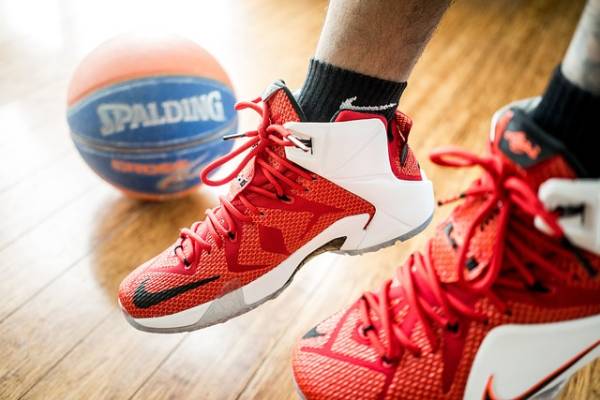
  • Basketball: Basketball shoes offer ankle support and cushioning to handle the high-impact nature of the sport. They also provide a good grip for quick lateral movements.

Each sport has its own set of demands, so choosing a shoe specifically designed for that activity is essential to prevent injury and improve performance.

3. Consider the Fit and Comfort

A well-fitting shoe is crucial for both comfort and performance. Here’s what to look for when evaluating the fit of sports shoes:

  • Length: Ensure there is about a thumb’s width of space between your longest toe and the end of the shoe. This prevents your toes from hitting the front of the shoe, which can lead to discomfort or injury.
  • Width: The shoe should fit snugly around the widest part of your foot without being too tight. Most brands offer different width options, so choose accordingly.
  • Heel Fit: Your heel should fit securely in the shoe without slipping or rubbing. A secure heel fit helps prevent blisters and other foot problems.
  • Arch Support: The shoe’s arch support should align with your foot’s natural arch. If it doesn’t, you might need to consider custom insoles or a different shoe.

Try on shoes at the end of the day when your feet are more swollen to get the best fit. Walk around and test them out to ensure they’re comfortable and supportive.

4. Evaluate Shoe Construction and Materials

The materials and construction of a sports shoe impact its durability, comfort, and performance. Here are some key components to consider:

  • Upper Material: The upper part of the shoe can be made from materials like mesh, synthetic leather, or knit fabric. Mesh offers breathability, while synthetic leather is more durable and supportive. Choose based on your activity and personal preference.
  • Midsole: This is the layer between the upper and outsole that provides cushioning and support. Common materials include EVA (Ethylene Vinyl Acetate) and PU (Polyurethane). EVA is lightweight and cushioned, while PU is more durable.
  • Outsole: The outsole provides traction and stability. Rubber outsoles are common and offer good grip, while specialized outsoles might be designed for specific terrains or surfaces.
  • Insole: The insole provides additional cushioning and support. Some shoes come with removable insoles, allowing you to replace them with custom orthotics if needed.

Quality materials and construction contribute to the shoe’s overall performance and longevity, so consider these aspects carefully.

5. Check for Brand and Price Considerations

While brand reputation and price shouldn’t be the sole factors in choosing sports shoes, they do play a role. Established brands often invest in research and development to produce high-quality, performance-oriented footwear. However, this doesn’t mean you should always opt for the most expensive option. Sometimes, less expensive brands offer excellent value for money.

Look for reviews and ratings of specific models to get an idea of their performance and durability. Additionally, consider if the brand offers a satisfaction guarantee or return policy, which can be helpful if the shoes don’t meet your expectations.

Featured Image Source: https://cdn.pixabay.com/photo/2015/10/29/01/24/shoes-1011596_640.jpg