How Do You Choose the Right Hair Tie Scrunchie for Different Hairstyles?
Hair tie scrunchies came back, and they didn’t leave. Once written off as a relic, they’re now the first thing a lot of people reach for, and not only because they look good in your hair. A scrunchie wraps your hair in fabric instead of squeezing it with a thin elastic. That’s gentler on strands and easier on your scalp.
The catch is that not every scrunchie suits every style. The right one can make a messy bun look intentional or hold a workout pony without the 3pm headache. The wrong one slides out or leaves your hair flat and dented. Small choice, real difference.
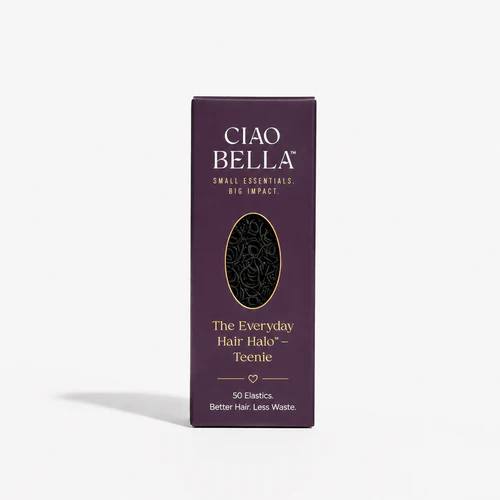
Most of that comfort comes down to the fabric outside and the core inside. A soft surface means less friction and less breakage. A gentle, stretchy core means it holds without digging in. The same idea shows up across soft fabric ties, not only scrunchies. Take the Hair Halo™ from Ciao Bella as an example. It uses a pineapple fiber blend over a natural rubber and cotton core, plastic-free, so it grips softly without the snag of a cheap elastic. Knowing how to choose a scrunchie, or any fabric tie, starts with what’s actually inside it.
Understand the different types of scrunchies
They’re not all the same, even when they look identical piled in a drawer.
- Satin scrunchies. Smooth and slick, so hair slides over them instead of catching. Low friction, a soft shine, and a favorite for daily wear and sleep.
- Silk scrunchies. The natural-fiber version of satin. Softer and more breathable, usually pricier, and gentle in the same way.
- Velvet scrunchies. Soft, grippy, and dressier. They hold well and suit an evening style, though they can shed a little over time.
- Cotton scrunchies. Breathable and casual. Comfortable for everyday wear, with more grip than satin gives you.
- Oversized scrunchies. The big, statement ones. Great on a thick pony or a deliberate messy bun, and too bulky for fine hair.
Texture decides hold. A slick satin grips less than a textured cotton, which matters when you need a style to stay put for hours. Appearance is the other half of it. Velvet reads more formal, cotton more relaxed. Most people end up with a few types for a few moods, and that’s the sensible move.
Match the scrunchie to your hair type
Your hair type changes which scrunchie actually holds, and it’s worth being honest about yours.
- Fine hair. A smaller scrunchie with a snug core. The oversized ones slide right off, and a thinner band holds far better than a pile of fabric.
- Thick hair. Here you want size and stretch. Scrunchies for thick hair need a strong core and enough fabric to wrap a heavy pony once or twice without straining.
- Curly and textured hair. Smooth fabric like satin or silk reduces snagging, which keeps the curl pattern intact when you slide it out.
- Straight, slippery hair. A bit of grip helps, so cotton or velvet stays put better than slick satin does.
Size and elasticity do the quiet work. Too small and it strains, too big and it slips. A scrunchie with a tired, stretched-out core grips by squeezing harder, which is where the pulling and tension creep back in. The fabric outside might feel soft, but a dead elastic inside still hurts.
Select the right scrunchie for popular hairstyles
The look you’re after should point you straight to the scrunchie.
- Ponytails and high ponytails. A high pony fights gravity all day, so you want grip and a strong core. Velvet or cotton hold better here than slick satin.
- Messy buns. Oversized scrunchies shine. The extra fabric gives that easy volume and hides a quick, lazy twist.
- Sleek buns. Go smaller and smoother. A thin satin scrunchie tucks away under the style instead of bulking it up.
- Braids and half-up looks. Low tension, so almost anything works. Pick by color and mood more than function.
- Formal styles. A satin or velvet scrunchie can work for an event, set low and neat so it reads as part of the look.
The best scrunchie for different hairstyles isn’t one perfect product. It’s a small mix you keep within reach for whatever the day asks of you.
Consider material, comfort, and hair health
The fabric does more than set the look. It decides how your hair feels by the end of the day.
Smooth materials cut friction, which means less frizz and fewer of the split ends that start at the surface. Satin scrunchies for hair have a near-cult following for that reason, since they leave almost no crease next to a tight elastic. Silk does the same and breathes a little better on a warm night.
For all-day wear, comfort comes from a soft surface and a core that doesn’t clamp. For sleep, a scrunchie is one of the few ties you can wear overnight without waking up to a dent or a sore scalp. A loose satin or silk scrunchie holds hair off your face and lets it down smooth in the morning. That overnight use alone wins a lot of people over.
Common scrunchie mistakes and how to avoid them
None of these are dramatic. They’re just the small habits that turn a gentle tie into one that tugs.
- Reaching for an oversized scrunchie on a fine, delicate style. All that fabric overwhelms thin hair and slips right off. Match the size to your hair, not the trend.
- Ignoring the elasticity. A pretty scrunchie with a weak or worn core won’t hold, no matter how good it looks sitting on your wrist.
- Picking looks over function on an active day. A delicate silk scrunchie won’t survive a hard workout. Save it for low-key wear and grab something grippier for the gym.
- Hanging onto stretched-out scrunchies. Once the core goes slack, it squeezes harder to hold, which is rough on your hair. Replace it when it stops snapping back.
Spotting these is most of the fix. A scrunchie is only as gentle as the core hiding inside it, and that part wears out long before the fabric looks tired.
Keep a few on hand, not just one
The right scrunchie depends on a few things at once. Your hair type, the style you’re building, the fabric, and how long it has to stay comfortable. No single one covers every situation, which is sort of the whole point of owning a handful.
Keep a small range. Something soft for sleep, something grippy for the gym, a dressier one for a night out. The best scrunchie styles are the ones that match what you’re actually doing that day. Find a gentle, plastic-free tie that holds without the pull and give your favorite styles a softer hold.
FAQs
What type of scrunchie is best for preventing hair breakage?
A smooth fabric scrunchie, like satin or silk, with a soft core and no metal. The slick surface cuts the friction that frays strands, and the fabric spreads tension out instead of biting into one spot the way a thin elastic does.
Are satin scrunchies better than cotton scrunchies?
It depends on what you want. Satin is smoother, so it causes less friction and creasing, which is kinder for hair health and sleep. Cotton grips more, so it holds a style better through an active day. A lot of people keep both around.
Which scrunchie works best for thick hair?
A larger scrunchie with a strong, stretchy core. Thick hair needs fabric and stretch to wrap once or twice without straining. A small or worn-out scrunchie slips off or forces too-tight wraps that pull at your scalp.
Can scrunchies be used for formal hairstyles?
Yes. A neat satin or velvet scrunchie set low can look polished for an event. The trick is keeping it smooth and tucked so it reads as part of the style rather than an afterthought.
What size scrunchie should I choose for a ponytail or bun?
Match it to your hair volume. Fine hair does well with a small or medium scrunchie, thick hair with a larger one. For a sleek bun go smaller and smoother, and for a messy bun a bigger scrunchie gives that easy volume.
