How Do Restricted Access Areas Help Improve Hunting and Fishing Opportunities?
Drive to a lake anyone can reach and you already know the story. Boats stacked at the launch, every good point taken, fish that have seen a thousand lures by August. Open access sounds fair, and in some ways it is. But the fishery pays for it over time. Pressure adds up. The big fish thin out.
Restricted access flips that. By limiting who fishes or hunts a place, and when, the land gets a chance to recover and produce. A controlled-access fishery like the one run by Lake Ogascanan Lodge & Outposts is fished by lodge guests alone, with no public launch and no cottagers, under a slot law set by the province. Fewer rods plus real rules is why water like that keeps producing.
This post walks through how these areas work, why they grow healthier populations, and how they make for better days outdoors. The trade is simple. You give up the convenience of open access. You get fish and game worth the drive.
What Are Restricted Access Areas and How Do They Work?
A restricted access area is land or water where entry is limited by rule, not left open to anyone. The form varies. Some are public wildlife management areas where a permit and a draw decide who gets in. Some are seasonal closures that protect spawning or breeding. Others are private holdings or controlled-access zones reached through a single landowner or lodge.
Permits, Seasons, And Gates
The tools are familiar. Permits cap the number of users. Seasons keep harvest inside a window the population can absorb. Slot limits and bag limits control what comes out of the water. Gates and access roads do the rest, keeping casual traffic out.
Who Sets The Rules
Management comes from two directions. Government agencies set licences, seasons, and harvest law across public land. Landowners and outfitters add their own layer on private or leased water. The strongest setups combine both, a legal protection backed by an operator who actually enforces it on the ground. A rule nobody checks is only a suggestion.
Supporting Healthier Wildlife and Fish Populations
The core benefit is straightforward. Fewer people taking fish and game means the population is not drained faster than it can replace itself. Overharvest is the quiet killer of good fishing. A lake hit by every angler with a trailer loses its bigger fish first, and those are the breeders. Pull them out and the whole fishery slides.
Less Pressure, More Fish
Restricted access buys time. Fish and game get the seasons they need to grow, spawn, and rebuild. A walleye protected through its prime breeding years puts more fish in the lake for everyone later. A lake trout, which can take twenty years to reach size, simply cannot survive heavy pressure. Protection is the only thing that keeps those fish around.
A Fishery That Renews Itself
The payoff compounds. Light pressure and good rules let a fishery reproduce naturally, without stocking. A lake that earns its numbers on its own is more stable than one propped up by a hatchery truck. That is the long game restricted access plays, and it is, perhaps, the part casual visitors never see.
Improving the Quality of Hunting and Fishing Experiences
There is the conservation case, and then there is the part you feel the day you arrive. No crowds. You are not racing another boat to the spot. The water in front of you is yours for the week. That alone changes the trip. Pressure stresses fish and pushes them off the bite, so quieter water often fishes better, not only calmer.
Room To Breathe On The Water
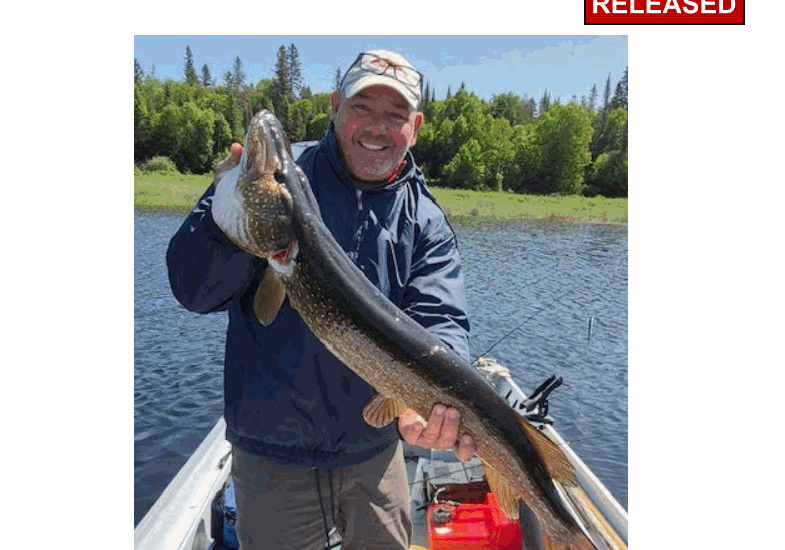
Then there is the size. Lower pressure lets fish and game reach maturity, which means a real shot at the bigger ones. On a hard-fished public lake the trophy fish are rare and wary. On protected water they are more common, because more of them lived long enough to grow.
Bigger Fish, Better Odds
You came a long way. Better odds at a mature fish is most of the reason. The experience adds up to something hard to get elsewhere. Solitude, healthy water, and fish that behave the way they should when they are not hounded daily. That is the draw of less-pressured ground.
Protecting Habitats and Promoting Conservation Efforts
Restricted access does more than limit harvest. It shields the habitat itself. Spawning shoals, shallow breeding bays, sensitive shoreline, these take a beating from heavy traffic. Boats, foot traffic, and development chip away at the places fish and game actually reproduce. Keep the crowds out and those grounds stay intact.
Guarding The Places Fish Are Made
Less human activity also means cleaner water and quieter shorelines. Wildlife that avoids busy areas, like moose and nesting birds, returns when the disturbance drops. A protected lake tends to hold not just more fish but more of everything around it.
Part Of A Bigger Plan
None of this happens in isolation. Controlled access fits into the broader work of conservation and resource management, the licences, the harvest law, and the habitat protection that keep outdoor recreation alive for the next generation. Every protected lake is a small piece of that.
What Outdoor Enthusiasts Should Know Before Visiting Restricted Areas
Plan ahead, because restricted areas come with paperwork. You may need a permit, a draw result, or a booking through a specific operator. A valid licence is a given. Check the seasons, the bag and slot limits, and any closures before you leave home. Showing up unprepared can end a trip at the gate.
Know The Rules Before You Go
Then act like a guest of the resource. Follow the release rules even when nobody is watching. Respect the slot. Take only what you will use. Pack out what you bring in. These areas stay good because the people who use them treat them right.
Fish And Hunt Like You Want It To Last
A short checklist before you head to a restricted area:
- Confirm the permit, draw, or booking you need
- Buy the correct licence for the species and season
- Learn the bag, slot, and release rules
- Check seasonal closures and access road conditions
- Plan to leave the place as you found it
Why the Restriction Is Worth It
Restricted access areas trade open convenience for healthier fish and game. Lighter pressure, real rules, and protected habitat let populations grow and mature, which means fewer crowds, bigger fish, and water that keeps producing season after season for the people who respect it.
The math is not complicated. Protect the water and it pays you back. The lakes and woods that still hold mature fish and game are almost always the ones someone limited access to and someone enforces. Open and easy has its place, but it rarely produces the best days outdoors.
Learn the rules where you fish and hunt, and back the access programs that keep these places healthy. To see what a controlled-access lake actually produces, season by season, start here: https://ogascanan.com
Frequently Asked Questions
What is a restricted access hunting or fishing area?
It is land or water where entry is limited by rule rather than open to all. Access may depend on a permit, a draw, a season, or a booking through a specific landowner or lodge. The goal is lighter pressure and healthier wildlife and fish.
Do restricted access areas improve wildlife populations?
Generally yes. By limiting harvest and disturbance, these areas let fish and game grow, spawn, and rebuild their numbers. Slow-growing species like lake trout benefit most, since they cannot withstand heavy pressure. Over time the population stays stronger and more stable.
Are permits required to enter restricted access zones?
Often, though it depends on the area. Public wildlife management areas may use permits or draws. Private or controlled-access water is reached by booking through the operator. A valid fishing or hunting licence is almost always required on top of any access permit.
Why do some fishing areas have limited access?
To protect the fishery. Limiting how many people fish a lake, and enforcing slot and season rules, keeps the population from being drained. The result is healthier fish, less crowding, and a better shot at mature fish for everyone who visits.
How can hunters and anglers benefit from access restrictions?
Less competition, quieter water, and better odds at mature game and larger fish. Protected areas hold more of the bigger animals because more of them survive to grow. You give up easy access and gain a higher quality day outdoors
