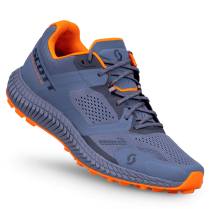
Best Running Shoes for Long-Distance Running in Canada
Long-distance running has become one of Canada’s most popular fitness pursuits. From early-morning joggers on Vancouver’s seawall to marathon hopefuls training through Toronto winters, more Canadians are lacing up each year. Half-marathons sell out within hours. Trail races fill up months ahead. The gear market has grown right alongside.
Running shoes Canada runners trust for long-distance training are built around weather, terrain, and mileage. From snowy trails to city marathons, the right pair can make every kilometre smoother and more comfortable. A shoe that feels great indoors might fall apart on icy sidewalks. A trail shoe that grips wet roots in Algonquin Park can feel awkward on pavement.
Picking the wrong pair leads to blistered heels, aching knees, or an injury that sidelines you for months. Climate, terrain, and your running goals all shape the answer. So does foot shape, gait, and your weekly distances. The difference between finishing strong and limping home often comes down to what’s on your feet.
Key Features to Look for in Long-Distance Running Shoes
Cushioning matters more than almost anything else over long distances. Each foot strike puts two to three times your body weight onto the ground. Over 30 kilometres, that’s thousands of impacts. Foam midsoles absorb shock and reduce strain on your knees, hips, and lower back.
Arch support depends on your foot shape. Runners with high arches usually need extra cushioning. Flat-footed runners often benefit from stability features that stop the foot from rolling inward. A poor match here causes shin splints, plantar fasciitis, and IT band pain. None of those problems are pleasant to discover at kilometre 25.
Breathability comes from the upper. Mesh panels let sweat escape and prevent overheating. In humid summer races, that ventilation prevents blisters and hot spots. Cold-weather runners may want a tighter weave to block wind without trapping moisture inside.
Durability is often overlooked until it costs you. Most long-distance shoes last between 500 and 800 kilometres depending on build, body weight, and the surfaces you run on. Heavier rubber outsoles last longer but add weight. Lighter shoes shave seconds off your pace but wear out faster.
A few features worth checking:
- Heel-to-toe drop, usually 4mm to 12mm, which affects how your foot lands
- Wide toe box to prevent black toenails on long runs
- Rocker geometry to roll your foot forward with less effort
- Reinforced toe caps for debris and curb protection
If a pair pinches in the store, it will pinch worse at kilometre 18. Trust that first impression and keep trying others until something genuinely fits.
Best Running Shoes for Road Running in Canada
Road running demands different things from a shoe than trails do. Pavement is unforgiving. Concrete is worse. Hours of repetitive impact on hard surfaces wear down both your shoes and your joints faster than expected. Marathon training often pushes runners past 60 or 70 kilometres a week. That mileage without proper cushioning often leads to stress fractures and tendon problems.
The Nike Vaporfly and Alphafly series changed marathon racing with carbon fibre plates and ZoomX foam. They feel springy underfoot, almost propulsive. They also wear out faster than regular trainers, so most runners save them for races and key tempo workouts.
ASICS Gel-Nimbus has been a reliable choice for daily training over many years. Generous cushioning, dependable support, comfortable upper. The Kayano adds stability for overpronators. Both handle Canadian pavement well, though they’re heavier than racing flats.
Brooks Ghost and Glycerin sit in a similar category. The Ghost is lighter and more responsive. The Glycerin offers more cushioning for heavier runners or very long Sunday runs. Both come in wide-foot options, which matters if regular sizes always pinch your toes.
Saucony Endorphin Speed includes a nylon plate for a touch of propulsion without the full carbon-plate price. It works well as a do-everything marathon prep trainer.
Quick feature comparison:
- Nike Vaporfly: carbon plate, race-day focus, lightweight
- ASICS Gel-Nimbus: gel cushioning, daily trainer, neutral
- Brooks Ghost: balanced foam, daily trainer, neutral
- Saucony Endorphin Speed: nylon plate, versatile pace work
- HOKA Clifton: maximum cushioning, soft ride, neutral
Urban runners also need decent grip on wet pavement and reflective detailing for early-morning runs when daylight is short. Trying pairs at a specialty running store, ideally one with treadmill analysis, is worth the time.
Top Trail Running Shoes for Canadian Weather and Terrain
Trails are an entirely different challenge. Roots, mud, loose rock, snow, ice, water crossings. Canadian trails throw most of these at you in a single run, especially during shoulder seasons when conditions change hour by hour.
Grip is the first thing to look at. Aggressive lugs, usually 4mm to 6mm deep, dig into soft ground and shed mud as you run. Salomon and La Sportiva are known for their grip patterns. Vibram outsoles on many brands also perform well across wet rocks and roots.
Waterproofing is a trade-off worth understanding. GORE-TEX uppers keep water out during light rain and short puddles. But once water gets in over the cuff, it stays in. For deep snow or stream crossings, a non-waterproof shoe that drains quickly often works better.
Trail shoes typically have stiffer midsoles than road shoes. A rock plate, a thin layer of harder material in the sole, adds protection from sharp objects underfoot.
Brands worth knowing:
- Salomon Speedcross: deep lugs, secure heel lockdown, muddy trails
- HOKA Speedgoat: max cushioning, Vibram outsole, ultra distances
- La Sportiva Bushido: low to the ground, responsive, rocky terrain
- Altra Lone Peak: zero-drop, wide toe box, popular for ultras
- Nike Pegasus Trail: lighter, suitable for mixed road and trail use
Winter adds another layer of complexity. Some runners add traction devices like Yaktrax or Kahtoola spikes over their regular trail shoes. Others choose dedicated winter shoes with built-in studs for icy paths, frozen lake trails, and groomed snowmobile tracks where regular shoes would send you sliding.
How to Choose Running Shoes Based on Foot Type and Running Style
Two runners with the same shoe size can have very different needs. Foot type and running style matter more than picking a popular brand.
Neutral shoes work for runners with a balanced stride. The foot lands and rolls inward slightly, then pushes off without excess motion. Most road runners fit here. Brooks Ghost, Nike Pegasus, and ASICS Cumulus are common choices.
Stability shoes help runners who overpronate, where the foot rolls too far inward after landing. This puts strain on the arch, ankle, and knee over long distances. Stability shoes use firmer foam or guide rails to keep the foot tracking straight. ASICS Kayano and Brooks Adrenaline GTS are common picks.
Figuring out your pronation type:
- Check the wear pattern on an old pair of shoes
- Wet your foot and step on cardboard to see your arch shape
- Get a gait analysis at a specialty running store
- Ask a sports physiotherapist if injuries keep returning
Do expensive running shoes always guarantee better long-distance performance? Not really. A $300 carbon-plate racing shoe won’t help if it doesn’t fit your foot. A $140 daily trainer that fits perfectly will outperform a poorly fitting premium model every time. Comfort testing before purchase is the most reliable check you can do.
Tips for Maintaining and Replacing Long-Distance Running Shoes
Most long-distance running shoes last between 500 and 800 kilometres. Lightweight racers wear out closer to 300. Heavier stability trainers can stretch past 1,000 with light use. Tracking mileage matters more than tracking time.
Signs your shoes need replacement:
- Compressed midsole foam, no longer springy underfoot
- Outsole tread worn smooth in key areas
- New aches in knees, shins, or hips that weren’t there before
- Heel collar collapsed or warped
- Toe box separating from the sole
Running on dead shoes is a slow path to injury. Cushioning fails before the upper does, which is why shoes can look perfectly fine while being worn out underneath.
Care tips that extend life:
- Rinse off mud and salt after winter runs
- Remove insoles and air dry everything
- Stuff with newspaper to speed up drying
- Avoid dryers or direct heat
- Brush dried mud off rather than soaking
Seasonal rotation works well in Canadian conditions. Many runners keep one pair for dry summer runs, another for rainy fall and spring, and a third for winter snow and ice. Rotation lets each pair dry fully and the foam recover between runs.
Final Thoughts
Choosing long-distance running shoes is less about following trends and more about matching gear to the way you actually run. Climate, terrain, foot shape, and weekly mileage all shape the right answer. A marathon shoe built for Toronto pavement is not the same as one suited for muddy fall trails in British Columbia.
Fit and support beat brand popularity every time. The most expensive shoe on the shelf can still cause blisters if it doesn’t suit your foot. A modestly priced trainer that matches your stride will keep you running longer, safer, and with fewer aches along the way.
The right shoes cushion impact, support natural movement, and protect your feet through hundreds of kilometres of training and racing. Before your next long-distance run, choose shoes that match your terrain, climate, and running goals. Comfort and performance follow from there.
Frequently Asked Questions
1. What are the best running shoes for marathon training in Canada?
Popular picks include Nike Vaporfly for race day, ASICS Gel-Nimbus and Brooks Ghost for daily training, Saucony Endorphin Speed for tempo runs, and HOKA Clifton for cushioned long runs. The right choice depends on your foot shape, stride, and weekly mileage.
2. How often should long-distance running shoes be replaced?
Most pairs last between 500 and 800 kilometres. Lightweight racers wear out closer to 300. Watch for flat midsoles, smooth outsoles, and new aches in your legs. Mileage tells the story better than the calendar.
3. Are trail running shoes good for road running?
Not really. Trail shoes have aggressive lugs and stiffer midsoles. On pavement, the lugs wear down quickly and the ride feels harsh. Use trail shoes for trails and road shoes for roads. A hybrid like the Nike Pegasus Trail works for runs that mix both surfaces.
4. Which running shoe brands are most popular in Canada?
Nike, ASICS, Brooks, HOKA, Saucony, Salomon, and Adidas all have strong followings. Salomon dominates the trail scene. ASICS and Brooks remain favourites among road and marathon runners. HOKA’s cushioned designs have gained popularity across both groups.
5. What features matter most in long-distance running shoes?
Cushioning, arch support, breathability, durability, and proper fit. The exact balance shifts with your foot shape, running goals, and the terrain you cover most often.
6. How do I know if I need stability running shoes?
Check the wear pattern on an old pair. Excessive wear along the inside edge points to overpronation, which usually calls for stability features. A gait analysis at a specialty running store gives a more reliable answer. Sports physiotherapists can also assess your stride if you have recurring injuries.
