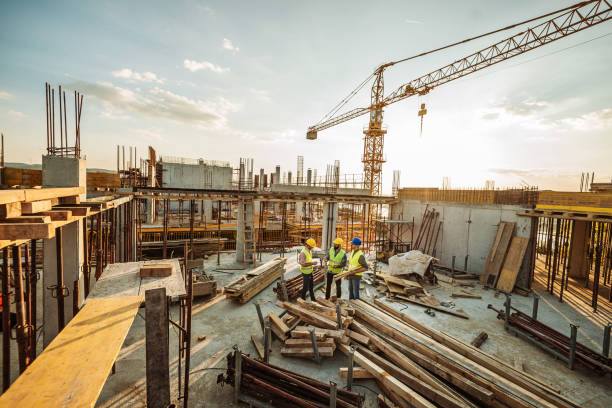
Construction Site Security Planning and When to Add Warehouse Security Guards
Most security plans get written too late. The project breaks ground, materials start arriving, and only then does someone ask who is watching the place at night. By that point, the easy thefts have already happened. Real construction site security planning starts before the first delivery truck pulls up, not after the first loss shows up in a report.
Plan it at the bid stage, while you still have room to budget for it. A security line written into the early numbers costs less than an emergency call after a break-in. This is where construction site security and warehouse security guards belong in the conversation from day one, even if you do not deploy both right away. Knowing when warehouse security guards enter the picture matters as much as knowing you might need them at all.
Think of security as something that grows with the build. Early on, an empty lot with a fence needs little more than patrol checks. Construction site security scales up as the structure rises and value piles on site. Warehouse security guards come in when your materials start living somewhere other than the building itself. That shift, from “everything is on site” to “we are storing offsite,” is the signal most planners miss until it bites them.
Match the Coverage to the Phase
A project moves through stages, and each one changes the risk. Bare ground holds little worth stealing. Pour the foundation, frame it out, and suddenly there are tools, lumber, and copper worth a truckload. The plan should step up the work. Light coverage early. Heavier coverage once the valuable trades arrive. A flat plan that never adjusts either wastes money at the start or leaves you thin at the worst moment.
The Trigger for Warehouse Coverage
So when do you actually add the warehouse piece? The answer comes down to where your materials sleep at night. The moment you store them away from the build, a separate lay-down yard, a rented unit, or a staging warehouse, you have opened a second front. Fixtures, appliances, HVAC units, anything pricey that arrives before install often waits in storage for weeks. That waiting inventory is a target. A guard at the building does nothing for stock sitting two miles away.
Watch the Delivery Calendar
Here is a habit worth keeping. Hold your delivery schedule up against your install dates. When the two line up tight, materials arrive and go in fast, and storage risk stays low. When they drift apart, you end up holding expensive items long before anyone installs them. That gap is your cue. The wider it gets, the more a warehouse needs eyes on it. Most builds run on tight delivery windows that slip, so the gap tends to grow whether you planned for it. A lot of theft happens in that quiet stretch nobody planned for.
Signs You ave Outgrown Site-Only Coverage
A few situations tell you the time has come.
- You rented off-site storage because the site ran out of room.
- High-value fixtures are landing weeks ahead of their install date.
- A separate yard now holds equipment for more than one project.
- Deliveries keep arriving on Fridays and sitting all weekend.
- Your insurance carrier asked what protects the stored materials.
Any one of these means a build-only plan no longer fits. Two or three, and you are probably exposed already. Run this check every few weeks, since the answer changes as the job moves along.
Do Not Wait For the First Hit
Owners tend to add coverage after something goes missing. That instinct runs backward. The loss you want to prevent is the exact one that teaches the lesson, and by then, you have paid the tuition. Thieves talk too. A yard that gets hit once tends to get hit again, because word spreads that the place is soft. Closing the gap before the first theft costs far less than chasing a pattern after it starts.
Build the Two Plans to Talk to Each Other
When you run coverage at both the site and a warehouse, link them. The same dispatch center should hear from both. The reporting should land in one place, so you see the whole picture instead of two half-views. A thief who scopes your site might circle back to the storage yard, and a connected setup catches that. Two separate companies with no shared line leave a seam between them, and seams are where losses live.
Keep the Plan Flexible
A good plan bends as the job changes. Maybe you scale warehouse coverage up during the fit-out phase, when fixtures pour in, then dial it back once everything gets installed. Flexible agreements let you do that without paying for guards you no longer need. Lock yourself into a rigid contract, and you either overpay or scramble to add coverage mid-project. Neither feels good when the budget is already tight.
So what should the planning come down to? Start early, before ground breaks. Scale coverage to match the value sitting on site. Add warehouse guards the moment your materials start living somewhere else. Watch the gap between delivery and install, because that is where stored goods sit unguarded. The owners who plan this way rarely make the panicked call after a theft. The ones who skip it almost always do, usually around week six, when the expensive fixtures show up, and nobody is there to watch them.
Featured Image Source: https://media.istockphoto.com/id/1035150690/photo/construction-site-with-three-engineers-and-crane-on-the-top-of-new-skyscraper.jpg?b=1&s=612×612&w=0&k=20&c=GuB1YbqqzFp4ygB2bxB7Z0q5-rVo1nZP0pTkxeSxTCE=
